Hydropower in Nepal: The Backbone of Nepal’s Economic Future
NEPSE Labs
May 26, 2026
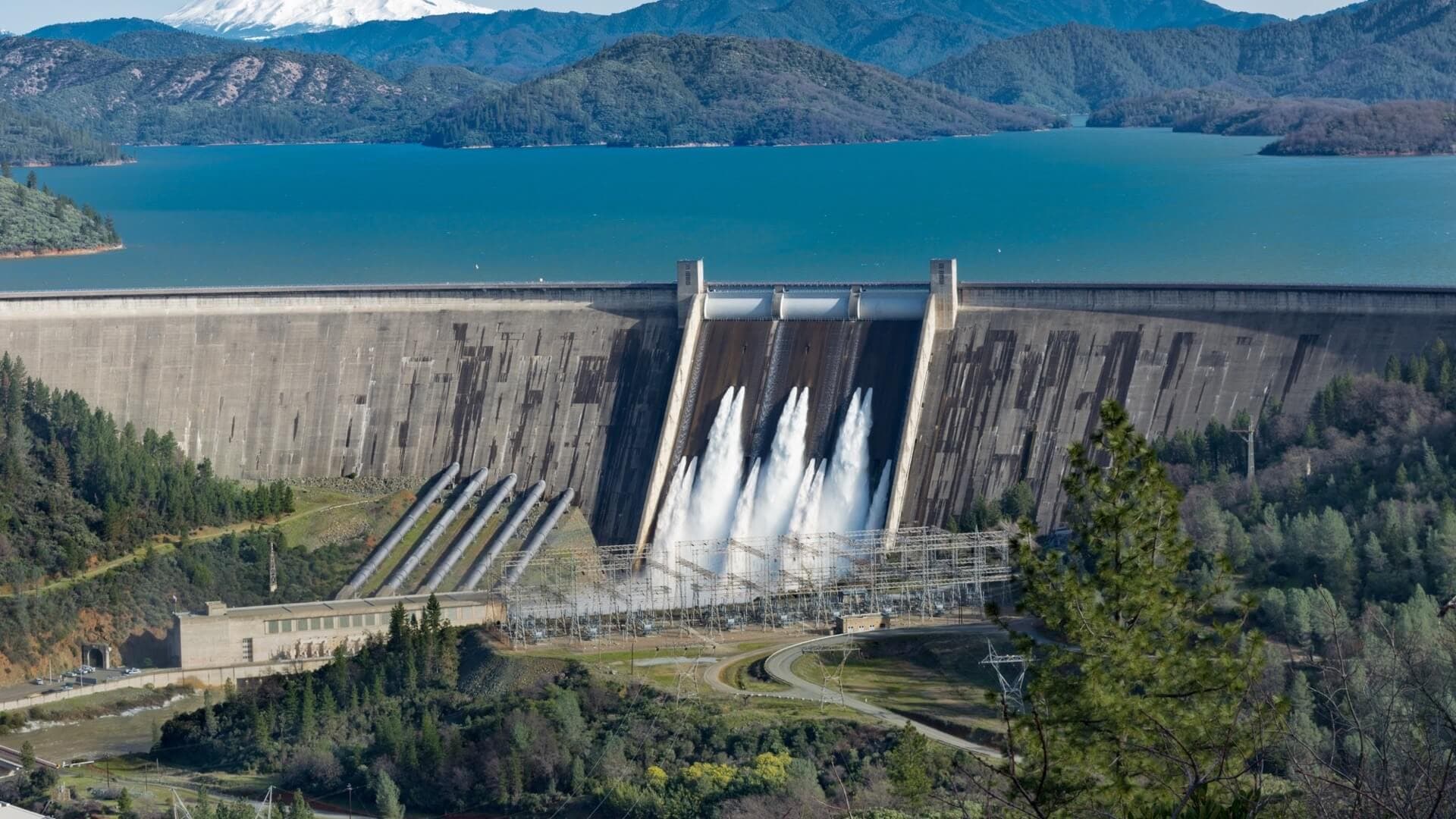
Nepal is one of the richest countries in the world when it comes to water resources. With thousands of rivers flowing from the Himalayas, the country possesses enormous hydropower potential that can transform its economy, reduce energy dependency, and create long-term national prosperity. Over the past decade, hydropower has emerged not only as an energy solution but also as one of the most attractive investment sectors in Nepal.
Why Nepal Has Huge Hydropower Potential
Nepal’s unique geography gives it a natural advantage for hydropower generation. Snow-fed rivers flowing from the Himalayan region create strong water currents and steep elevation differences, which are ideal conditions for generating electricity.
Experts estimate that Nepal has a theoretical hydropower potential of over 80,000 MW, while around 42,000 MW is considered economically feasible. However, only a small percentage of this potential has been utilized so far.
Major river systems like the Koshi, Gandaki, and Karnali play a significant role in hydropower development. These rivers provide continuous water flow, making Nepal one of the most promising hydropower destinations in South Asia.
Growth of the Hydropower Sector
The hydropower sector in Nepal has witnessed rapid growth in recent years. Earlier, the country heavily suffered from load shedding, with power cuts lasting several hours daily. Today, the situation has dramatically improved due to the expansion of hydropower projects across the nation.
Both government and private sector investments have contributed to this growth. Independent Power Producers (IPPs) have become major players in electricity generation, and many hydropower companies are now listed on the Nepal Stock Exchange (NEPSE).
Projects such as Upper Tamakoshi, Chilime Hydropower, and other mid-sized plants have significantly increased domestic electricity production. Nepal has also started exporting electricity to neighboring India during surplus seasons, marking a historic achievement for the country’s energy sector.
Hydropower and the Nepalese Economy
Hydropower is increasingly becoming a pillar of Nepal’s economic development. The sector contributes through:
Electricity generation and energy security
Employment opportunities
Infrastructure development
Foreign currency earnings through electricity export
Growth of the stock market
Rural area development
Hydropower projects often bring roads, bridges, communication networks, and local business opportunities to remote regions. This creates broader economic benefits beyond electricity production alone.
In addition, hydropower companies have attracted a large number of retail investors in Nepal’s capital market. IPOs of hydropower companies are especially popular among the general public due to strong investor interest and growth expectations.
Challenges Facing Nepal’s Hydropower Sector
Despite massive potential, Nepal’s hydropower industry still faces several challenges.
1. Transmission Infrastructure
Electricity generation alone is not enough. Nepal still requires strong transmission and distribution networks to efficiently deliver electricity across the country and export markets.
2. Seasonal Production Variations
Most hydropower projects in Nepal are run-of-river types, meaning electricity generation decreases during dry winter months when river flow reduces.
3. Political and Regulatory Delays
Policy instability, bureaucratic hurdles, and delays in approvals often slow down project development and discourage foreign investment.
4. Environmental and Social Concerns
Large hydropower projects can impact local ecosystems and communities. Proper environmental assessment and sustainable development practices are necessary for long-term success.
Investment Opportunities in Hydropower
Hydropower remains one of the fastest-growing sectors in Nepal’s stock market. Many investors view the sector as a long-term opportunity because Nepal’s energy demand is continuously increasing.
Some reasons why investors are attracted to hydropower include:
Strong future growth potential
Government support for energy development
Increasing electricity export possibilities
Rising domestic consumption
Expansion of industrial and electric vehicle usage
However, investors should also carefully analyze company fundamentals, project timelines, debt structure, and earnings consistency before investing.
The Future of Hydropower in Nepal
The future of Nepal’s hydropower sector looks highly promising. As regional energy demand rises, Nepal has the opportunity to become a major clean energy exporter in South Asia.
If the country can improve infrastructure, maintain stable policies, and attract long-term investment, hydropower could become the foundation of Nepal’s economic transformation.
Hydropower is no longer just about electricity generation. It represents industrial growth, financial opportunity, energy independence, and national development. For Nepal, water may truly become the country’s most valuable resource in the decades ahead.